
Returning to Golf After Surgery: How Golf Physical Therapy Can Help You Play With Confidence Again
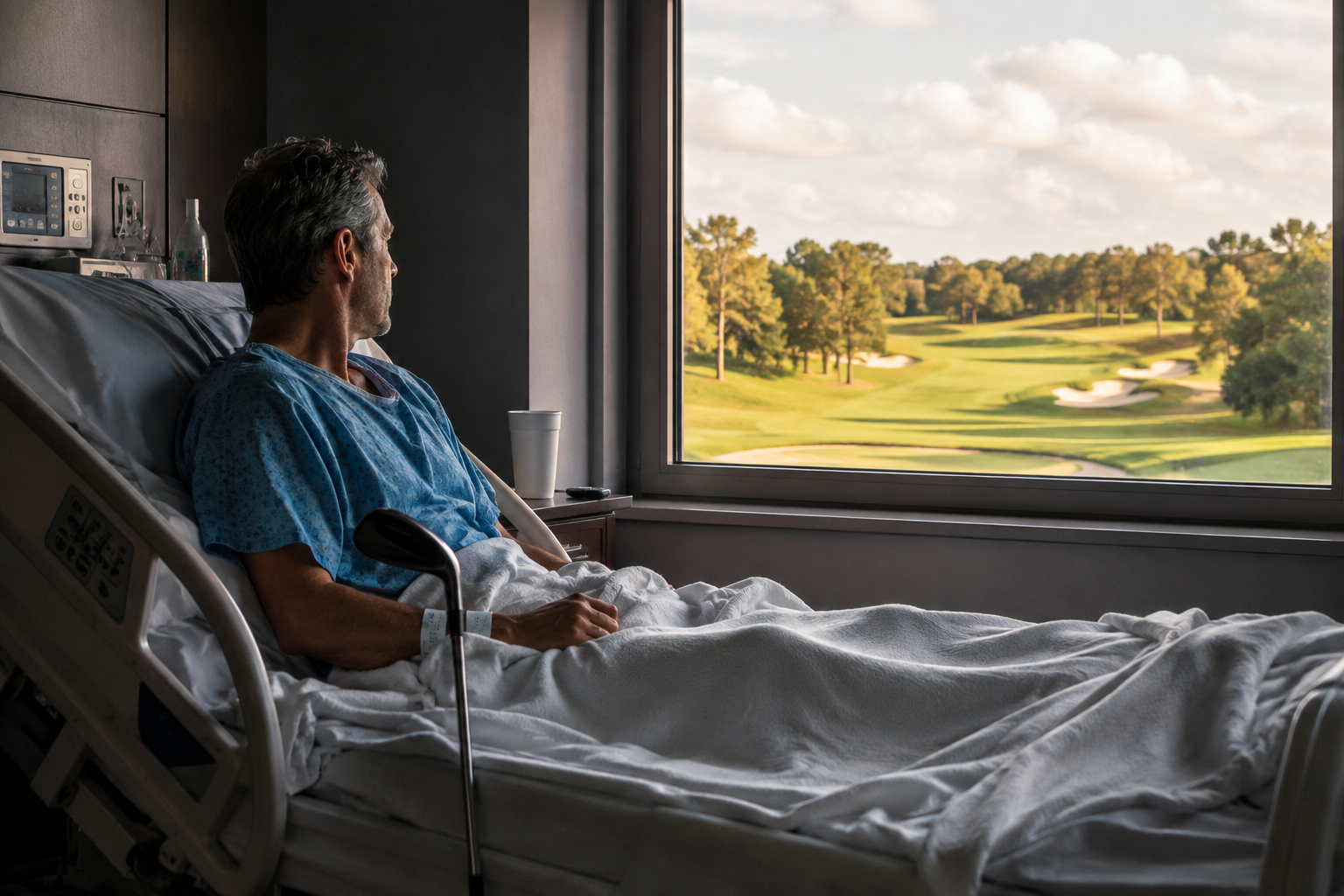
Have you recently had surgery and wondered, “Will I ever be the same again?” For golfers, recovering from surgery involves more than healing an injury. It can mean being separated from a game that has become part of your lifestyle, your routine, and even your identity.
Maybe your surgery was successful, and your pain has finally improved. Perhaps you’ve completed traditional physical therapy and returned to many of your normal daily activities. But there’s still one question you haven’t been able to answer: “Am I actually ready to play golf again?”
Underneath that question are often even bigger fears. What if I return too soon? What if I reinjure myself? What if I damage the area that was repaired during surgery? What if my golf swing causes pain? What if my body doesn’t move the way it used to? And perhaps the biggest question of all: What if I’m never able to play the same way again?
If you’ve experienced these thoughts, you’re not alone. For many golfers, the most difficult part of recovery isn’t the surgery itself. It’s learning to trust their body again.
In many cases, golfers can safely return to the course following surgery. However, when and how you return depends on several different factors. Being cleared for general activity doesn’t automatically mean your body is prepared for golf. That’s why playing 18 holes directly after rehabilitation can feel so intimidating. You may be medically healed and still unsure whether your body is truly prepared for your golf swing. This is where Golf Physical Therapy comes in. Golf PT can help bridge the gap between recovering from surgery and confidently returning to the course.
Why Returning to Golf After Surgery Can Feel So Scary
One of the most common concerns of a golfer after surgery is the thought that “I don’t want to mess up what was fixed.” And rightfully so! You’ve invested time, energy, and effort into your recovery. After spending weeks or even months rehabilitating, the last thing you want is one bad decision to make you feel like you’ve undone all the hard work.
This causes some golfers return too quickly because they’re tired of waiting and desperately miss the game. Others become so afraid of getting hurt that they avoid golf altogether, even after they’ve been cleared to return to activity. Neither extreme is ideal. The goal shouldn’t be to rush back onto the course and hope for the best, but it also shouldn’t be to live in fear of returning. A structured, individualized return-to-golf plan can provide a safer and more confident path forward.
Golf Physical Therapy is a specialized approach that helps golfers improve the way their body moves and prepares them for the physical demands of the game. For someone recovering from surgery, Golf Physical Therapy can help determine what your body is currently capable of and what may still need to improve before progressing your golf activity. Rather than simply asking, “Are you healed?” we also ask, “Is your body ready?”
Those are two very different questions.
How Golf Physical Therapy Can Help You Return to Golf Safely
After surgery, your body typically moves differently than it did before. You may experience limitations in mobility, weakness, or protective movement patterns that developed while you were recovering. You may unconsciously shift away from one side of your body or avoid certain movements because you’re afraid they will cause pain. A Golf Physical Therapy assessment can help identify how these limitations may affect your ability to return to golf. The goal isn’t to force your body into a perfect-looking swing. The goal is to understand how your body moves and help you develop movement strategies that work with your new body.
Golf Physical Therapy can help progressively rebuild the strength and stability necessary for golf. Your program should be designed around your body, your surgery, your recovery, and your goals for returning to the game. For many golfers, rotation can also be one of the most intimidating movements after surgery. Depending on the area of the body involved, you may be afraid to turn aggressively or complete a full swing. A golf-specific rehabilitation program can gradually reintroduce movement and progress toward the physical demands of the golf swing based on your recovery and appropriate medical guidance.
A Step-by-Step Return to Golf
One of the biggest sources of anxiety after surgery is simply not knowing what to do next. Should I start swinging a club? Should I go to the driving range? Should I play nine holes? Am I ready for a full round? Without a clear plan, it’s easy to either do too much too soon or hold yourself back longer than necessary because you’re afraid of making a mistake. A personalized return-to-golf plan can help eliminate much of that guesswork. While every golfer’s recovery is different, the process often involves gradually progressing from general recovery into improved movement, golf-specific training, and eventually returning to the course. Each stage should build upon the one before it. We don’t want to rush the process. We want to prepare your body for the next step so you can progress with greater confidence.
When Should You Start Golf Physical Therapy After Surgery?
The right time to begin golf-specific rehabilitation depends on your type of surgery, your surgeon’s recommendations, your stage of healing, your current symptoms, and your physical capabilities. Golf Physical Therapy doesn’t necessarily mean immediately picking up a club and taking full swings. In many cases, golf-specific rehabilitation begins by evaluating and improving the physical qualities your body will eventually need to return to the game. The focus is on preparing your body for what comes next without rushing the recovery process. Your rehabilitation and return to golf should always consider the recommendations and restrictions provided by your surgeon and healthcare team.
Will My Golf Swing Ever Be the Same After Surgery?
Oftentimes, the biggest emotional question behind everything else is “Will I ever be the same again?”
The honest answer is that every recovery is different. Your body may not move exactly the way it did before surgery. But different doesn’t automatically mean worse. In fact, the recovery process can become an opportunity to better understand your body and build a stronger foundation for the future. Recovery gives you the opportunity to improve your strength, mobility, balance, and body awareness. You can improve your movement efficiency while learning how to make your golf swing work with your body instead of constantly fighting against it. We are not trying to recreate the exact golfer you were before surgery. We are aimed at helping you become confident in the body you have now and capable of enjoying the game again.
The Missing Part of Recovery: Confidence
Physical healing is only one part of returning to golf. Confidence matters, too. You can be physically strong enough to play and still feel afraid. You might stand over the ball thinking about your shoulder, knee, hip, or back instead of focusing on your shot. You may hold back during your swing because you’re worried about pain. You may avoid certain clubs, or constantly wonder whether one swing could cause another injury. That hesitation can take the joy out of the game. A gradual and structured return-to-golf process can help rebuild trust in your body one step at a time. Every successful progression becomes evidence that your body is capable of doing more. Over time, your mind will move away from constantly asking, “Am I going to hurt myself?” and will focus on, “Where do I want to hit this shot?”
That’s when golf starts becoming enjoyable again.
At Recovery In Motion Performance Therapy, we focus on helping golfers in Charlotte, North Carolina confidently return to the game they love. Whether you’re recovering from surgery, dealing with lingering pain, or simply unsure whether your body is ready to return to the course, we’ll help you understand where you are and create a plan for where you want to go. You Don’t Have to Guess Your Way Back to Golf. If surgery has left you wondering whether you’ll ever feel like yourself again, you don’t have to figure out your return to golf alone. The right plan can help you progress from recovery to confidence back to the course. Your surgery was one important step in your journey. Your return to the game you love can be the next one.
Ready to Return to Golf With Confidence?
If you’re looking for Golf Physical Therapy in Charlotte, NC, Recovery In Motion Performance Therapy can help you build a personalized plan for your golf goals. You no longer have to wonder whether you’re ready. Let’s assess you and create a plan to help you confidently get back to the game of golf and everything it brings to you.